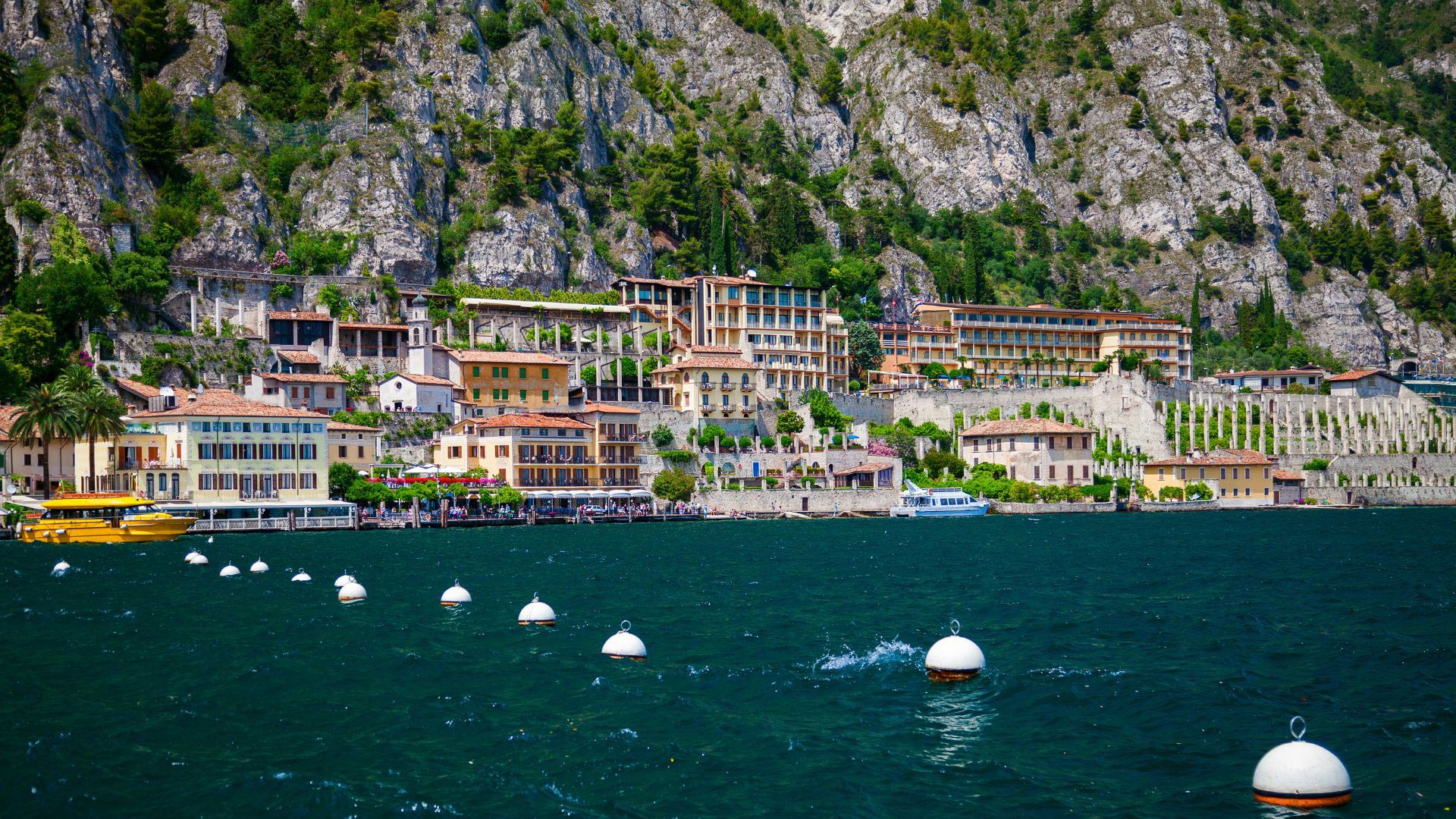
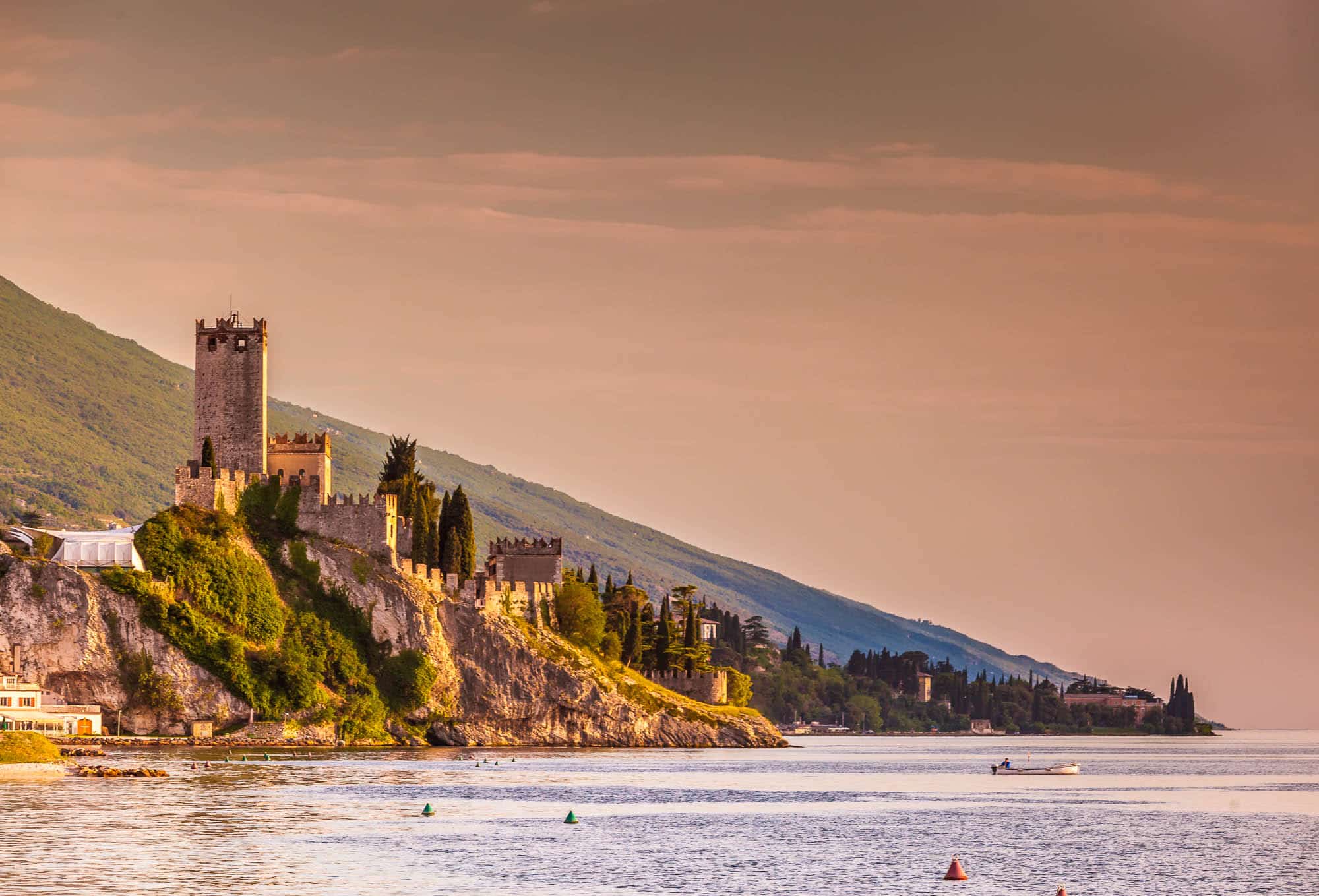
Food lovers, get comfortable: there’s a green-gold treasure that has accompanied Lake Garda for over two thousand years. It’s extra virgin olive oil, grown here at the northernmost latitude in the world where olive trees still manage to bear fruit. A small climatic miracle, made possible by the great body of water that softens the winters and gives the olive groves an almost Mediterranean microclimate at the foot of the Alps.
In this guide we’ll tell you what Garda DOP olive oil is, what its cultivars are, how to recognise a good extra virgin, and — above all — where to go to visit the mills and enjoy a tasting around the lake. Ready to taste? Let’s get started.
In this article: a unique oil · the DOP and its three designations · the cultivars · how to recognise it · in the kitchen · mills and tastings · a bit of history · frequently asked questions.
A unique oil in the world
The secret of Garda oil lies entirely in the landscape. The lake acts like a huge heat accumulator: it softens winter frosts and creates, on the morainic hills and the terraces sloping down to the water, a surprisingly mild environment. That’s why olive trees grow here much further north than you’d expect, producing an extra virgin oil among the most delicate and well-balanced in Italy.
The result is a light-to-medium fruity oil, never aggressive, with notes reminiscent of fresh grass, almond and artichoke. An elegant profile that makes it a favourite even among those who usually find extra virgin oil “too strong”.

Garda DOP and the three geographical designations
Garda DOP olive oil is a Protected Designation of Origin: a European mark that certifies geographical origin and guarantees the production method and quality of the product. The production area covers all three shores of the lake, spanning several regions, and the designation may carry one of these three geographical mentions:
- Garda Bresciano — the Lombardy shore, from Valtènesi to the western Alto Garda;
- Garda Orientale — the Verona shore, the historic heart of Garda olive growing;
- Garda Trentino — the northernmost tip, around Riva del Garda and Arco.
Compliance with the production regulations is overseen by the Garda DOP Olive Oil Protection Consortium, which brings together producers and mills from the different areas.
The cultivars: Casaliva, the queen
The character of Garda oil comes from its olive varieties. The main cultivar, and true flagship of the territory, is Casaliva, native to the lake: it yields a fine, balanced and fragrant oil. Alongside it, in the various blends, are other traditional varieties such as Frantoio, Leccino and Pendolino, which contribute structure and aroma.
It’s precisely the meeting of these cultivars with the Garda microclimate that produces that “sweet, fruity and harmonious” taste which sets the lake’s extra virgin oil apart from the more assertive oils of Central-Southern Italy.
How to recognise (and taste) a good Garda oil
Tasting oil isn’t so different from tasting wine. Here are the steps mills follow during guided tastings:
- Colour: it’s assessed by smell and taste, not by sight (which is why professional tastings use small blue glasses). Garda oil ranges from green to golden.
- Aroma: warm a little oil in your palm or in the glass and smell it — look for vegetal notes of grass, leaf, almond and artichoke.
- Taste: in the mouth, a quality extra virgin is fruity, with a more or less pronounced bitterness and pungency. In Garda oil these are delicate: they’re a merit, not a flaw — they indicate freshness and the presence of valuable polyphenols.
A local tip: always look on the label for the words cold extracted, the harvest year and, of course, the Garda DOP mark or the mill’s name.

In the kitchen: how to use it
The delicate soul of Garda oil makes it a “finishing” extra virgin, perfect raw: on lake fish, on bruschetta, in a salad, or even — surprisingly — on vanilla ice cream. It pairs wonderfully with the flavours of the area: find out more in our guide to typical dishes of Lake Garda and in our overview of typical products of the lake.
What’s on at Lake Garda this weekend?
Every week we send you a selection of events, places to discover, experiences, aperitifs, walks and practical tips to help you make the most of Lake Garda.
By subscribing you receive

Selected events and appointments

Ideas for weekends, trips and holidays

Villages, beaches and places to discover

Seasonal tips for experiencing Garda
Mills and tastings not to miss
The best thing about Garda oil is that you can experience it first-hand. Many mills around the lake open their doors to visitors to explain the milling process and offer guided tastings. Here are a few landmarks, shore by shore:
- Verona shore (Garda Orientale): in Cisano di Bardolino you’ll find the renowned Museo dell’Olio d’Oliva (Olive Oil Museum), a historic mill with a museum, shop and tastings: an excellent first taste of the lake’s olive-growing culture. The whole area between Bardolino, Cavaion and Torri del Benaco is dotted with mills and farms.
- Brescia shore (Garda Bresciano): the Valtènesi, between Puegnago, Manerba and Soiano del Garda, is a little paradise of family-run mills, often paired with wine production.
- Trentino shore (Garda Trentino): around Riva del Garda and Arco, olive growing is part of the landscape; here some farms offer visits and tastings that combine oil with other local products.
The most evocative time to visit is during the harvest, in autumn, when the mills fill with the intense scent of new oil. If you’re planning a tour of the farms, take a look at the markets of Lake Garda too, where you’ll often find excellent local extra virgin oils.
Did you know? Garda oil has ancient roots: olive cultivation was already widespread in Roman times and was later preserved and perfected over the centuries by the lake's monks. A tradition of knowledge that today lives on, intact, in every bottle.
Oil and wine: the two souls of Garda
On Lake Garda, oil and wine often grow on the same hills, tended by the same hands. If the extra virgin has piqued your curiosity, the next step is natural: discover the wines of Lake Garda too, from Bardolino to Lugana, to build a true Garda pantry.
What is Garda DOP olive oil?
It’s an extra virgin olive oil with a Protected Designation of Origin produced in the Lake Garda area. The DOP certifies the geographical origin and compliance with a production specification. It can carry one of three mentions: Bresciano, Orientale or Trentino.
What is the main cultivar of Garda oil?
The flagship cultivar is Casaliva, native to the lake, alongside varieties such as Frantoio, Leccino and Pendolino.
What does Garda oil taste like?
It’s one of the most delicate extra virgin oils in Italy: light-to-medium fruity, harmonious, with notes of grass, almond and artichoke, and a barely noticeable bitterness and pungency.
Where can you visit a mill or go for a tasting on Lake Garda?
On all three shores. A classic starting point is the Olive Oil Museum in Cisano di Bardolino; the Brescia-side Valtènesi and the Riva del Garda and Arco area offer numerous mills and farms with visits and tastings.
What's the best time to discover the new oil?
Autumn, during the olive harvest and milling: it’s the moment when you can taste the new oil freshly pressed, right at the mill.